

Looking for wall art for your balcony or garden seating area? A tapestry turns a bare house wall, a balcony railing or a privacy screen into a large picture: beach, sea or palm trees right next to your deck chair. It is light, needs no frame and goes up quickly. We also tell you honestly what works outside and what does not: a tapestry is a printed textile, not garden furniture. With the right spot and a little care, you can still enjoy it.

Where a tapestry works well outside
- Balcony: As a focal point on the wall or on the privacy screen. A 150 × 100 cm tapestry often looks like a window onto greenery on a small balcony.
- Garden seating area and patio: A large surface on the house wall next to the dining table or lounge.
- Pergola and canopy: Under a roof, the tapestry hangs sheltered and looks great.
- Garden events: Birthday, barbecue or wedding: as a photo backdrop or decoration for a day or a weekend.
Honest note first: what happens to the tapestry outside
A tapestry is not waterproof. Rain, wind and wetness are not meant for permanent use. Sun and UV light also leave their mark: outside, the print fades over time, and the more sun and rain the tapestry gets, the faster it happens. How fast depends on the location, so we do not give a time frame. You will enjoy it longest if it hangs sheltered, for example under a canopy, on a covered balcony or on a wall that is not in full sun all day.
Which fabric for hanging outside?
For every design you choose between three fabrics under “Material”. You can hang all three outside, and all three are washable (gentle cycle, maximum 30 °C).
- Standard (100 g/m², soft fleece): soft, opaque and lightweight.
- Premium (250 g/m², polyester): heavier, with a smoother drape and richer colours. Our recommendation for outside.
- Fire-retardant B1 (230 g/m², polyester): low flammability. The base fabric meets B1 under DIN 4102-1, and we include the test report. This is a fabric for indoor spaces with fire-safety requirements, for example at a trade fair. It gives you no advantage outside.
Outside we recommend Premium: the fabric is heavier, drapes more smoothly and has richer colours. Standard is the light, soft alternative. All three fabrics are meant for a sheltered spot, none of them is made for continuous rain.
Design ideas for wall art outside
Outside, designs with space and a horizon work especially well. They open up the area visually and go with plants, wood and sunlight. You will find more ideas in the collections Beach & Sea Tapestries, Boho & Mid-Century Tapestries, Jungle Tapestries and Botanical Tapestries. Four favourites for balconies and garden seating areas:
Beach chair idyll for a North Sea mood
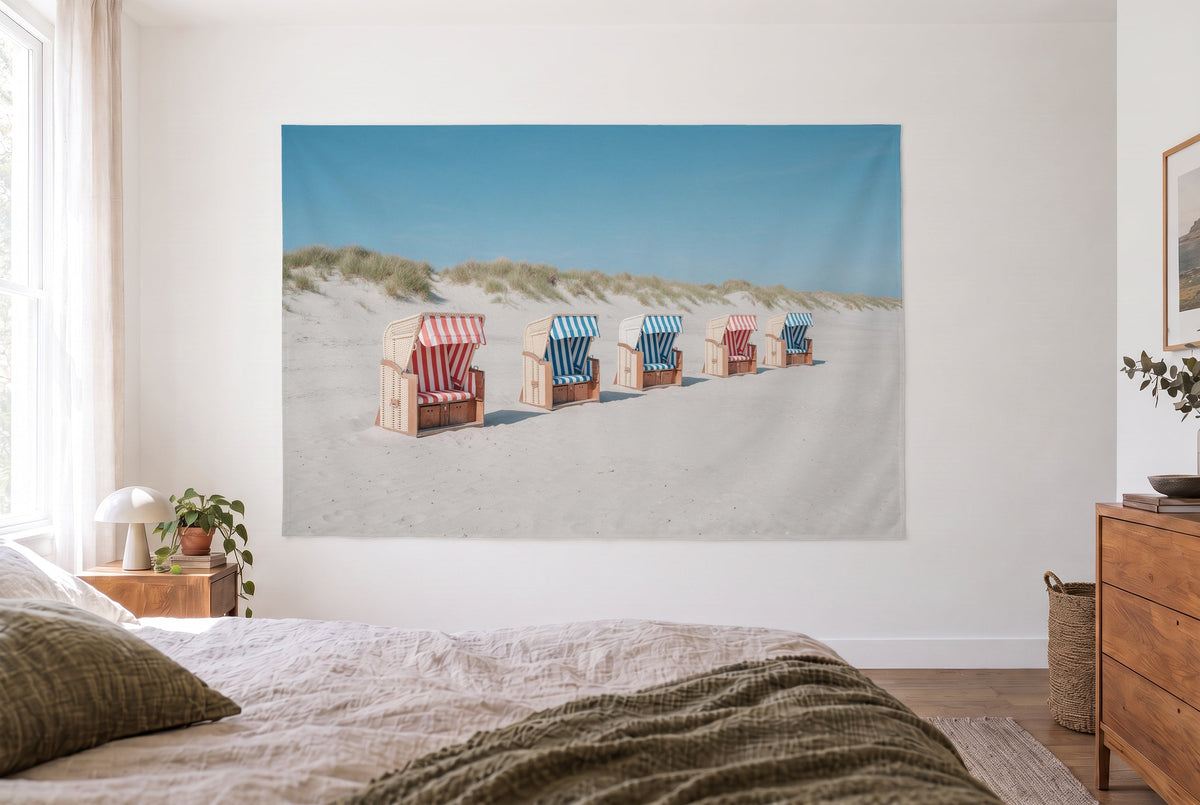
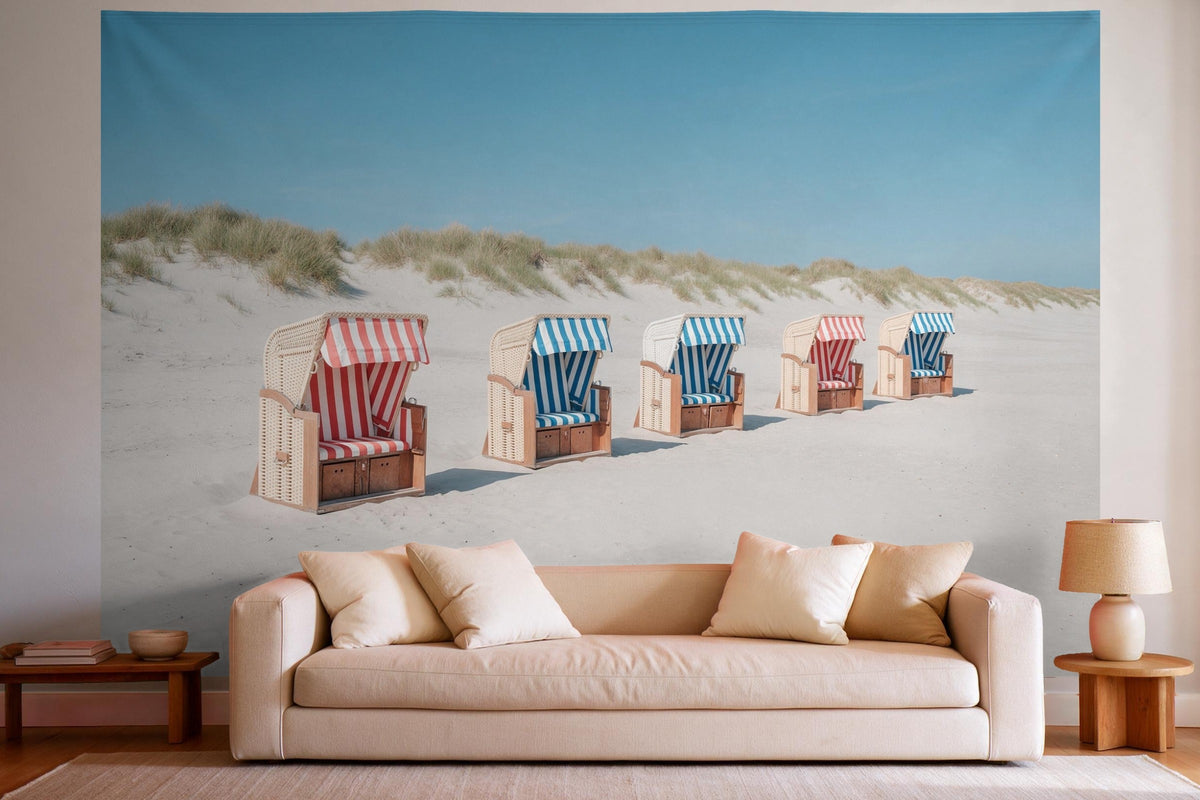
Colourful beach chairs in front of dunes bring a holiday feeling to any balcony. The design is bright and cheerful and suits white or light grey walls. Cushions in red, blue or white and a few grasses in a pot go well with it.
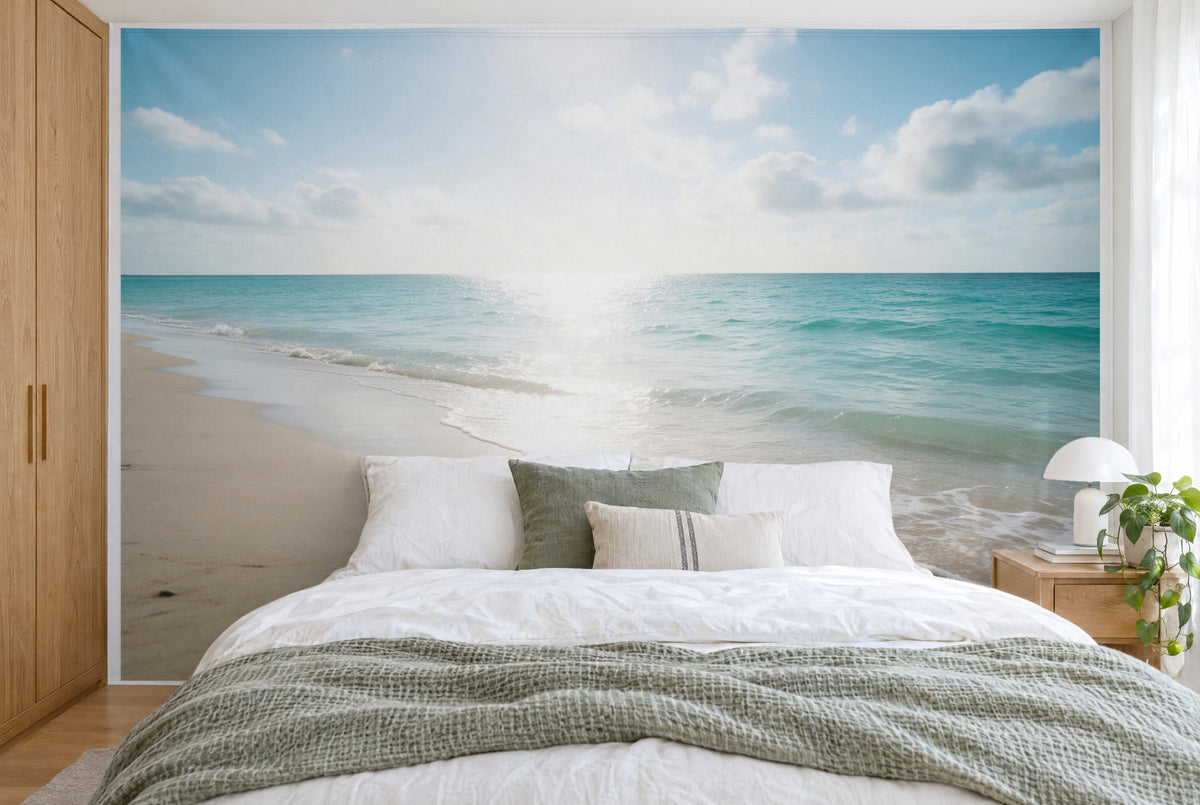
Sandy beach with turquoise sea
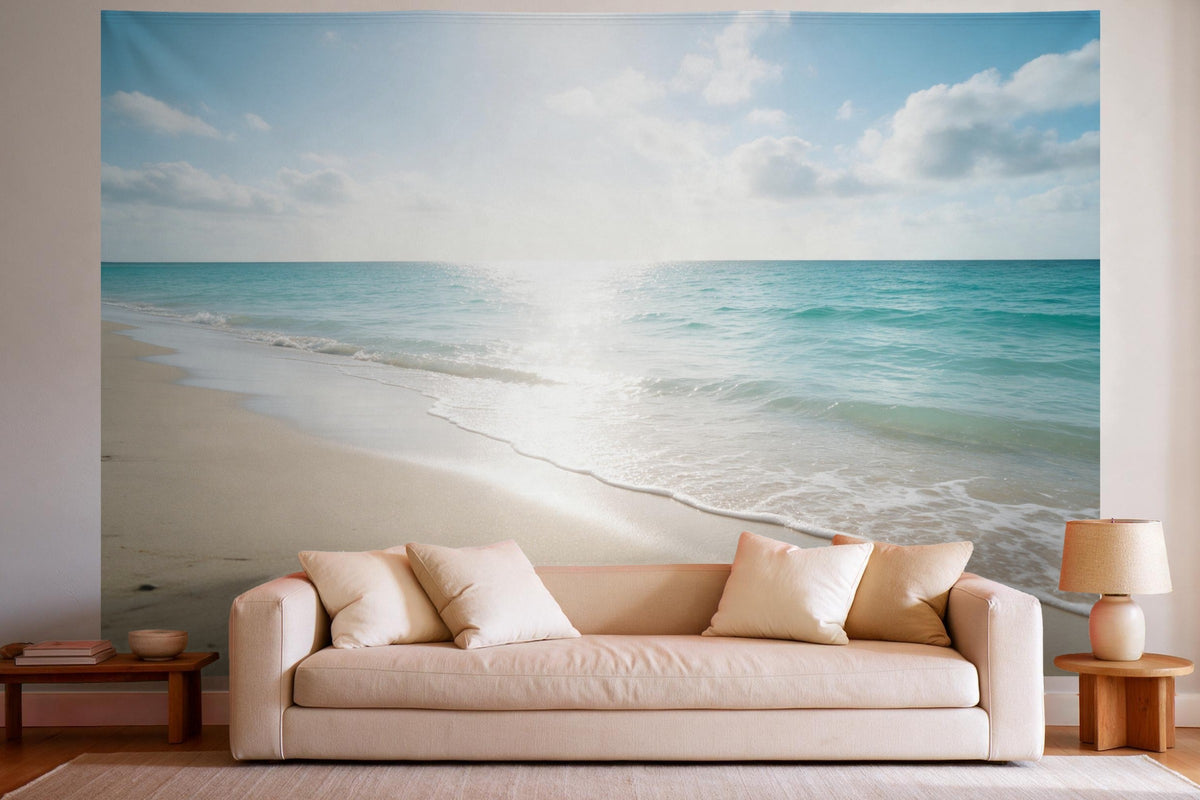
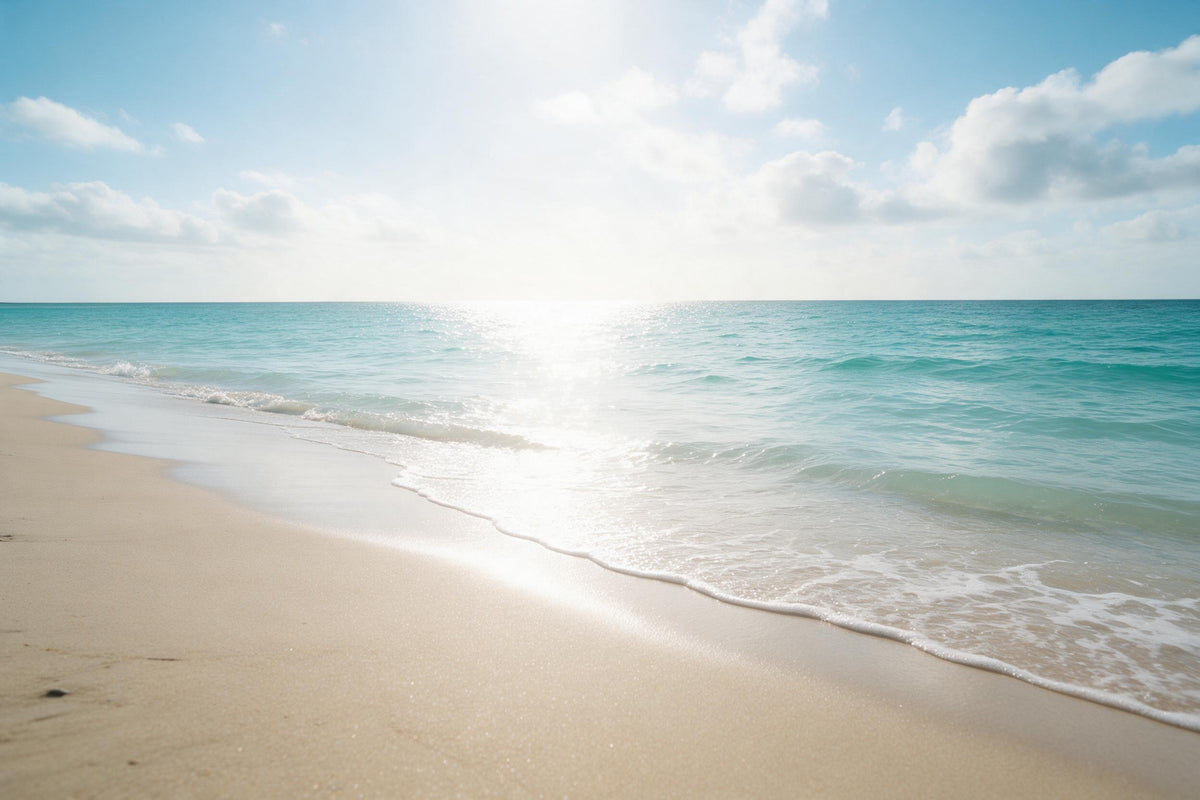
A photo design with turquoise water and soft sand turns the garden seating area into a beach bar. Especially in XXL format, it feels as if the wall opens straight onto the sea. Wooden furniture, rattan and lanterns complete the look.

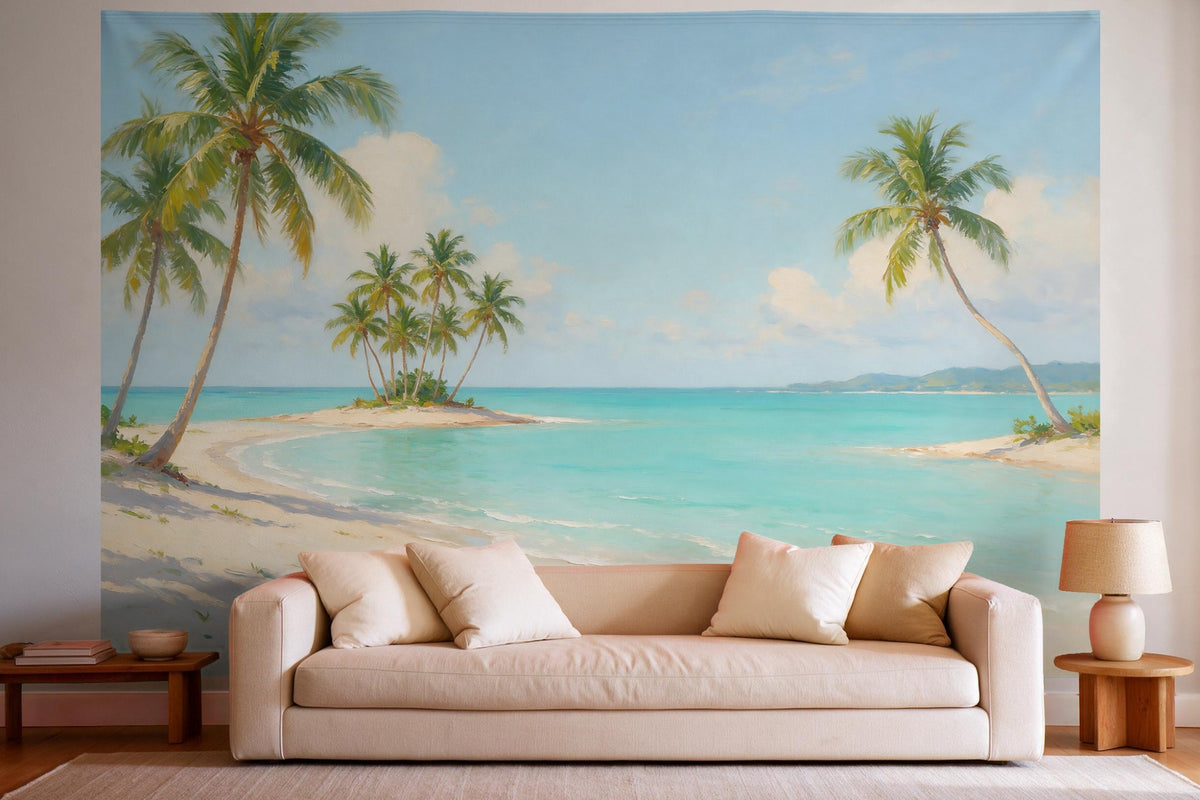
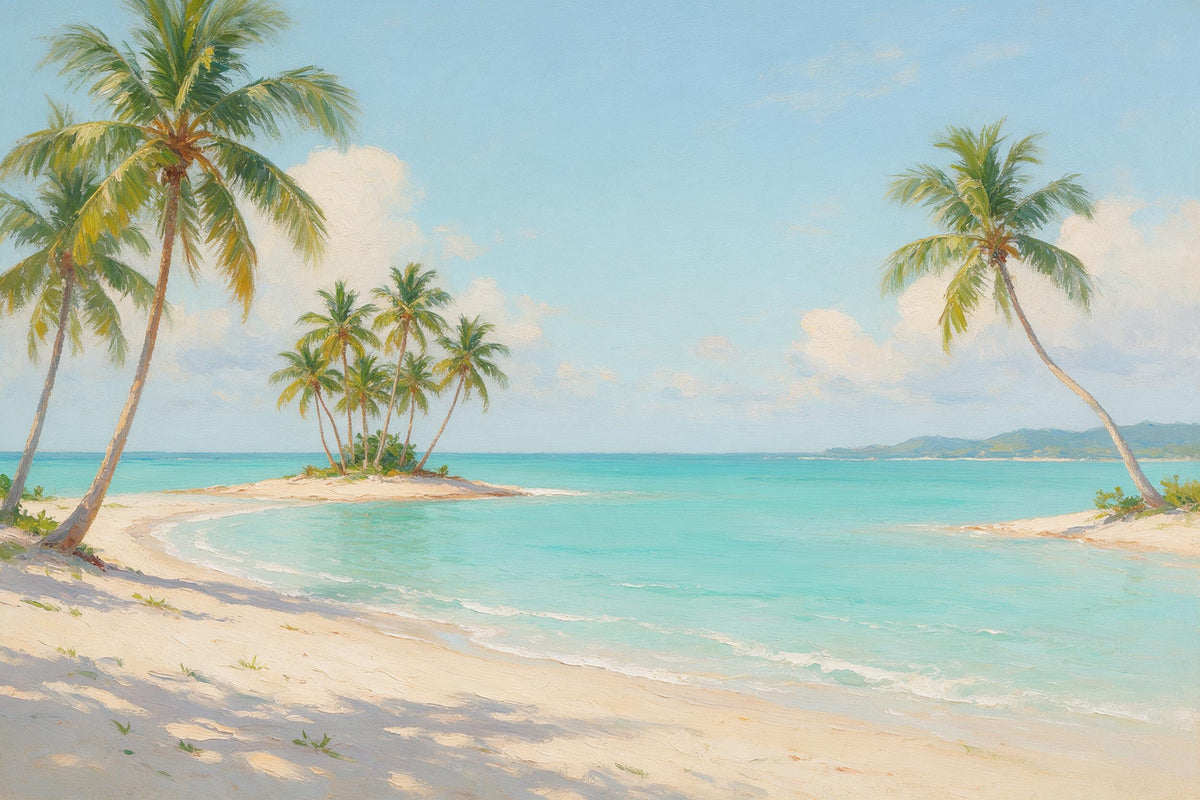
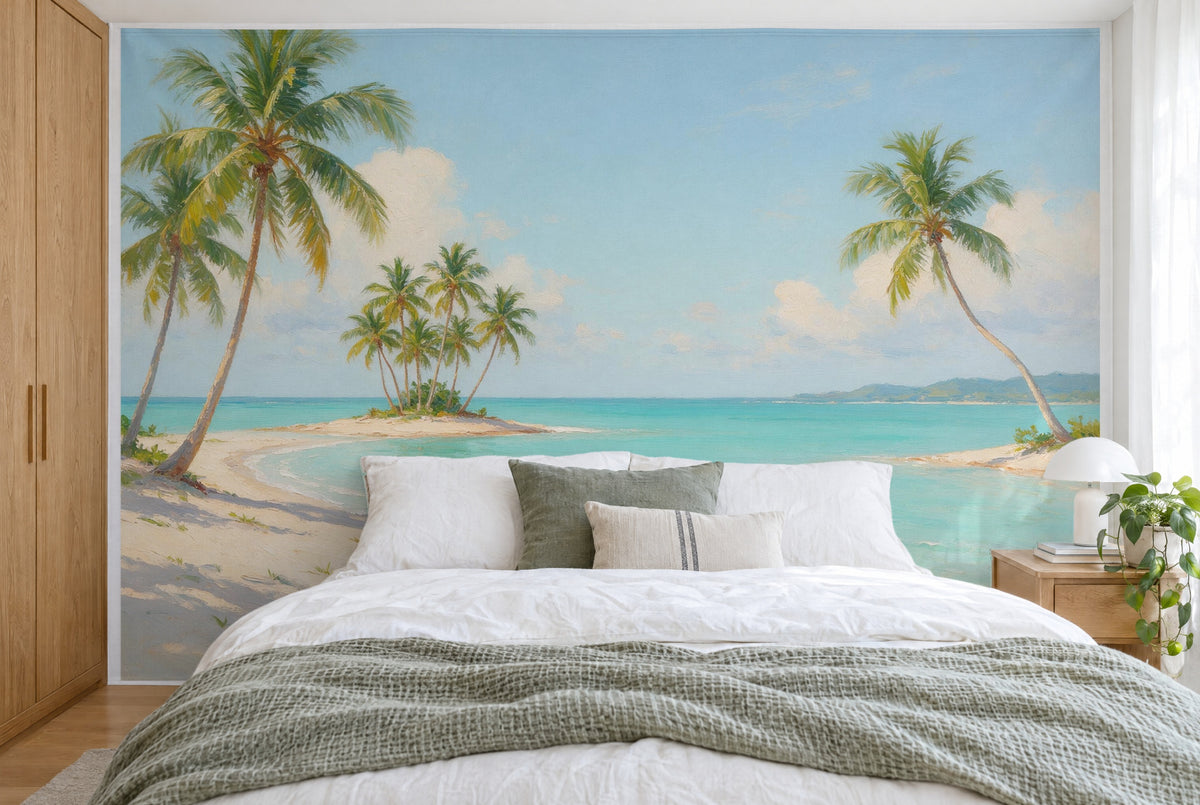
Palm beach in oil painting style
If you prefer something less photographic, choose a painted design. A palm beach in oil painting style looks warm and a little nostalgic. It goes well with terracotta pots, small olive trees and Mediterranean plants.

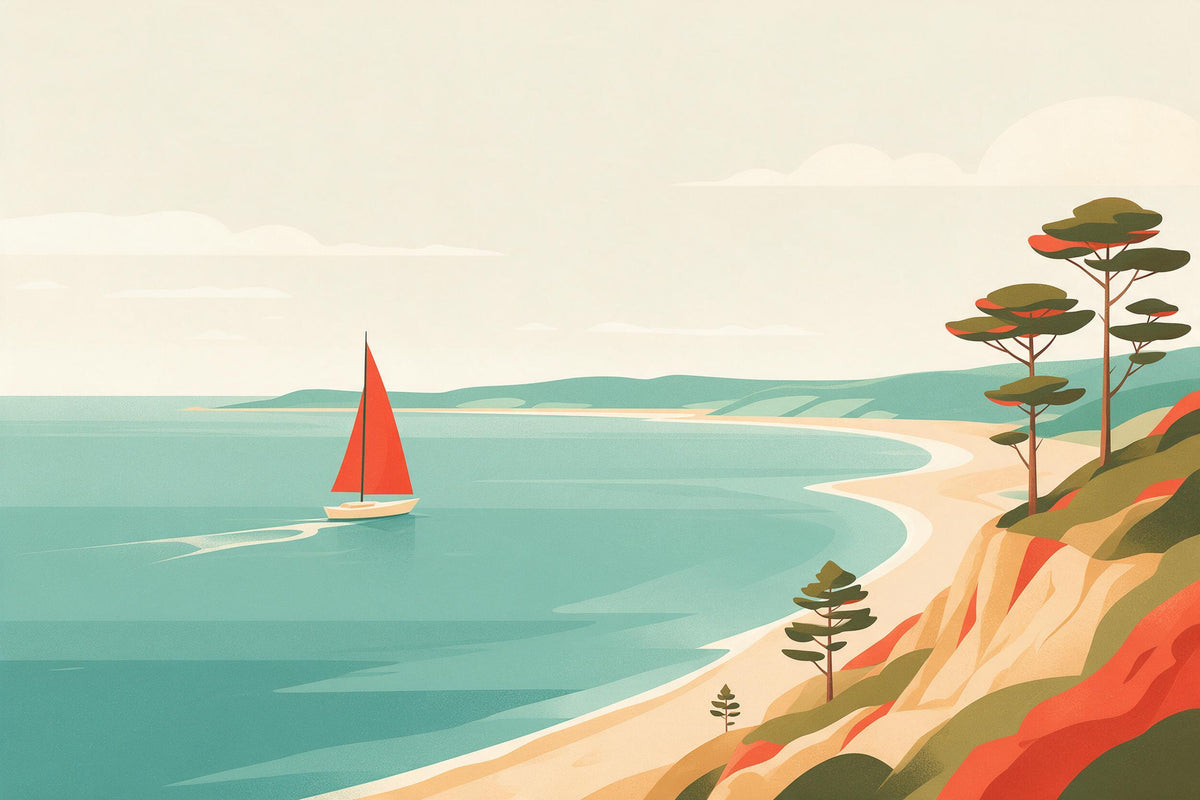
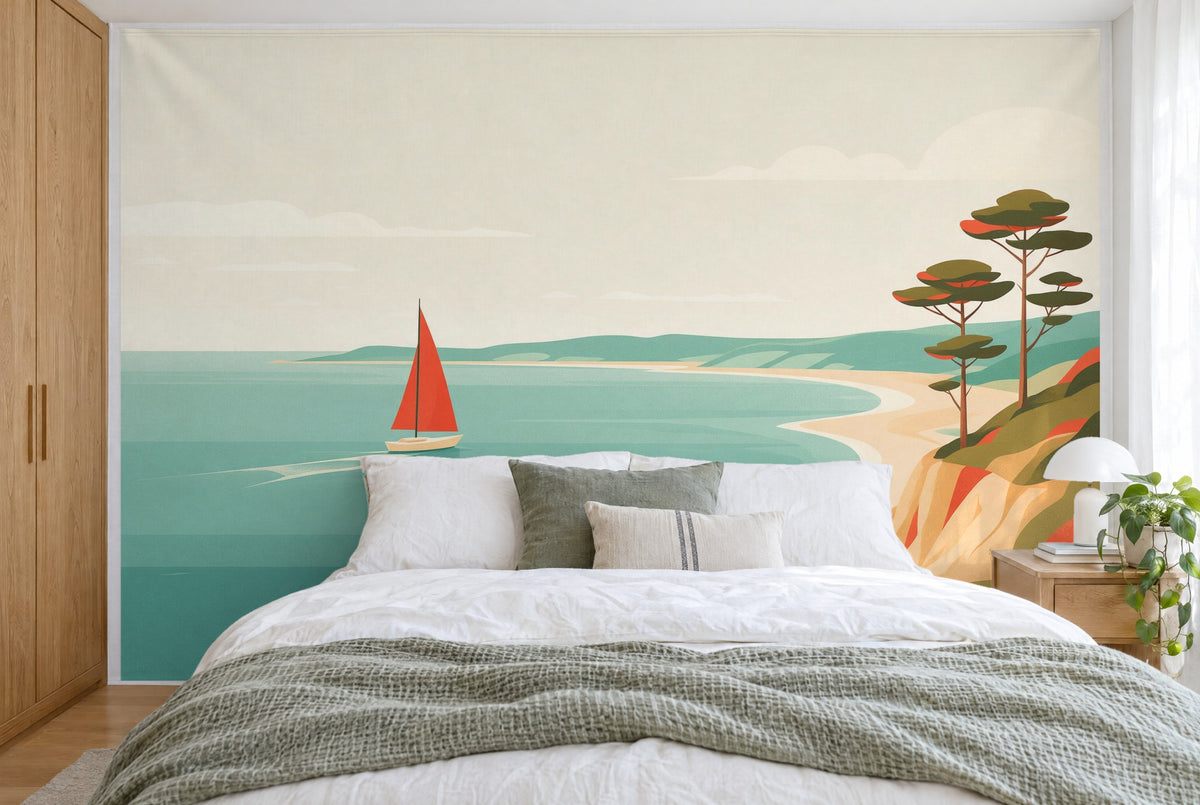
Red sail in the bay
A single sailing boat in a calm bay is a lovely eye-catcher without being overloaded. The red sail adds a colour accent that you can pick up with red flowers or cushions.
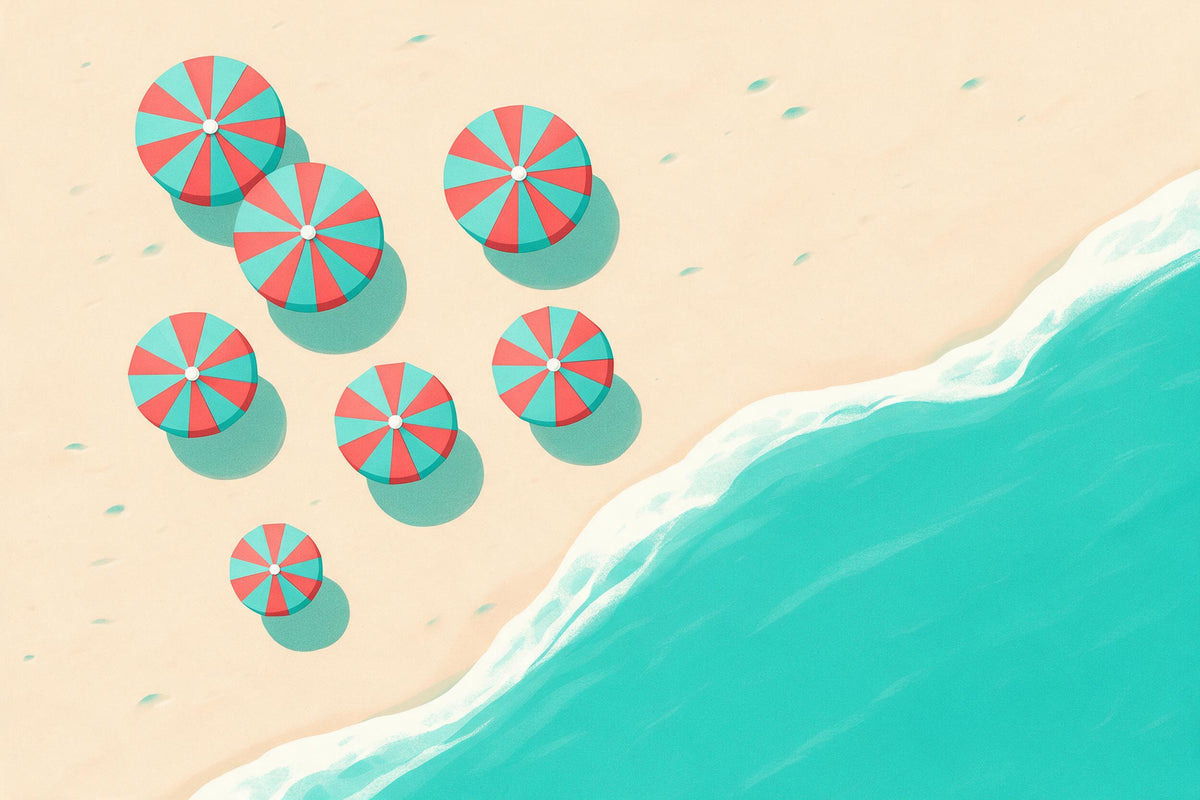
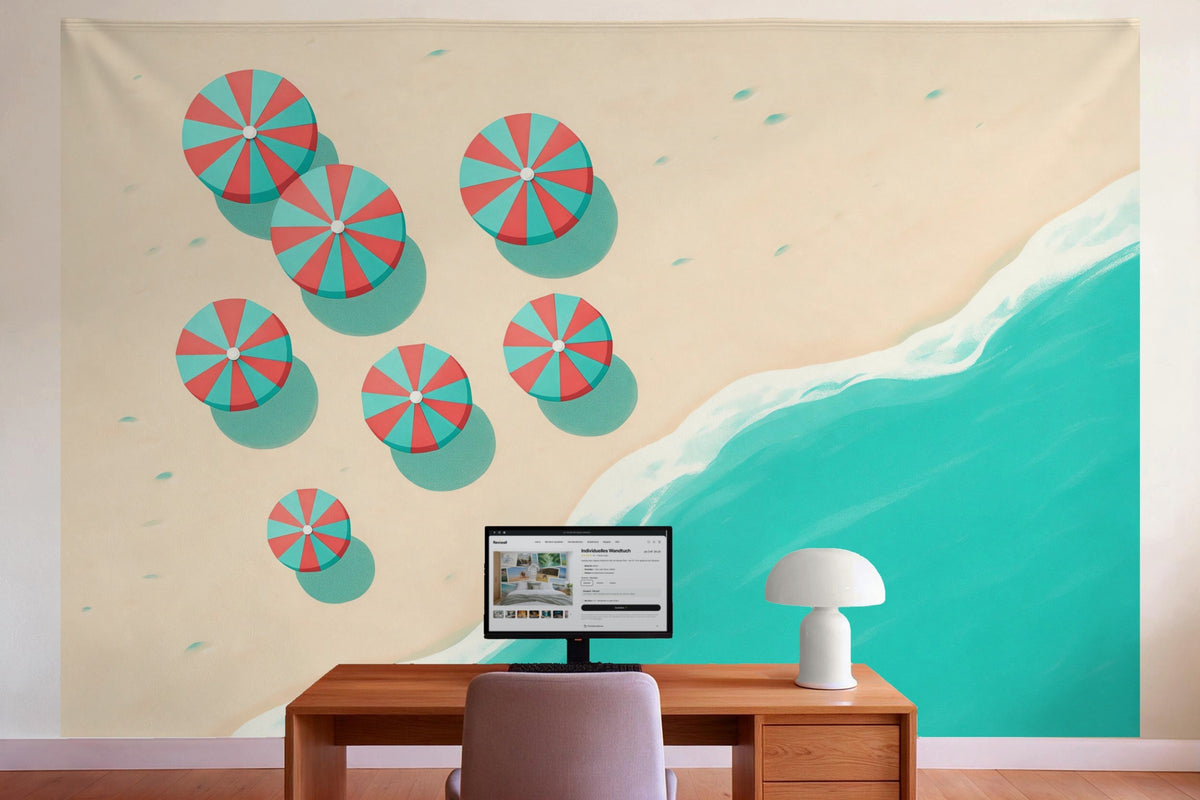
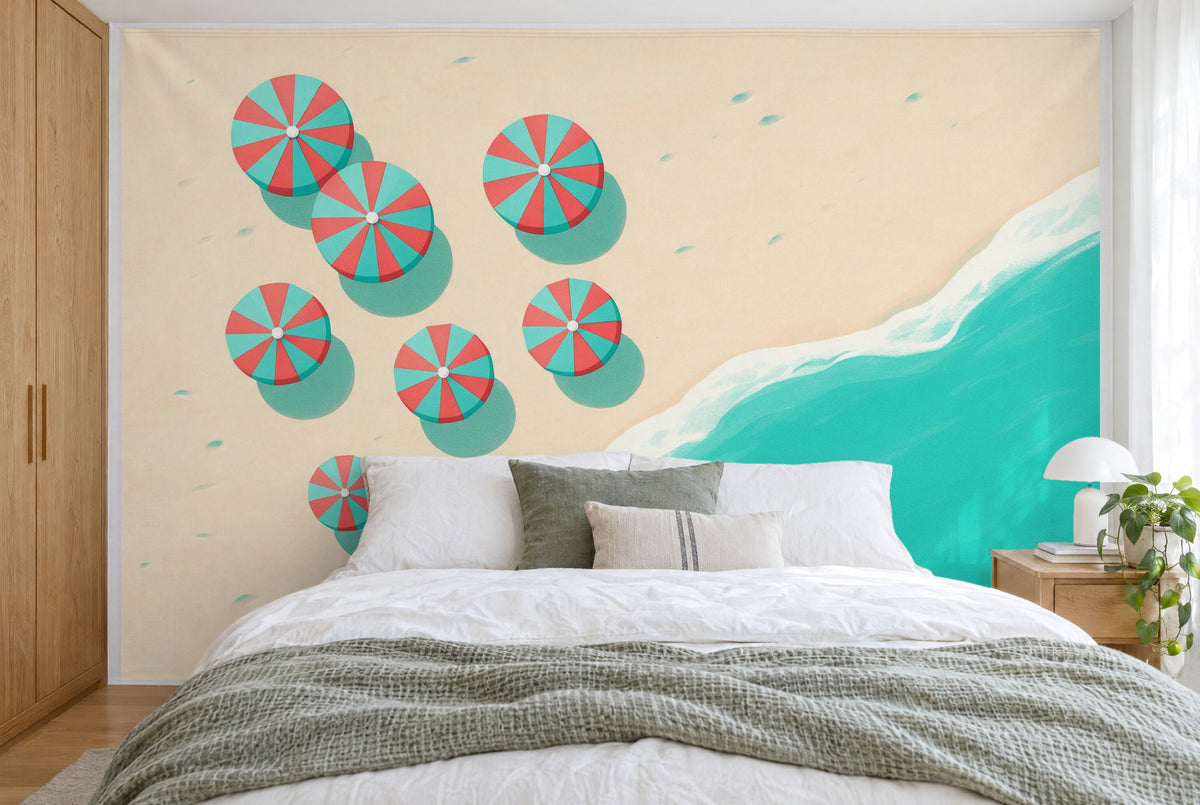
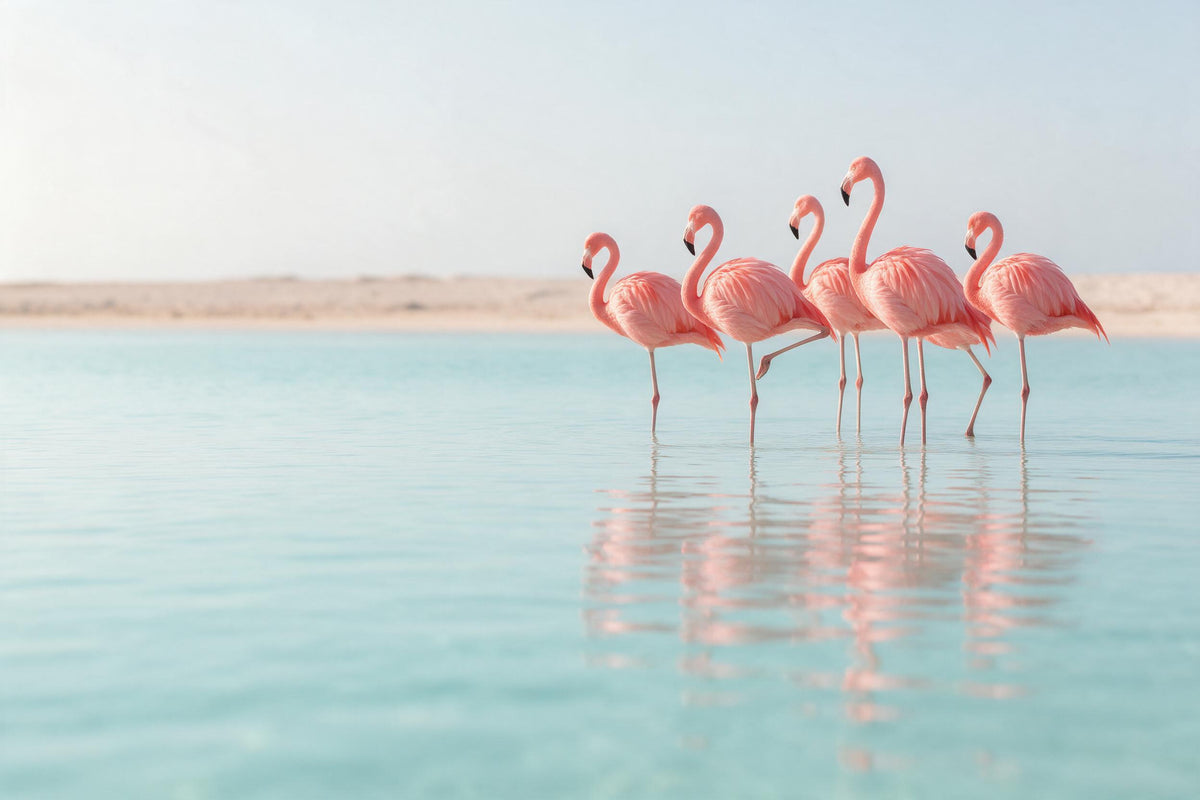
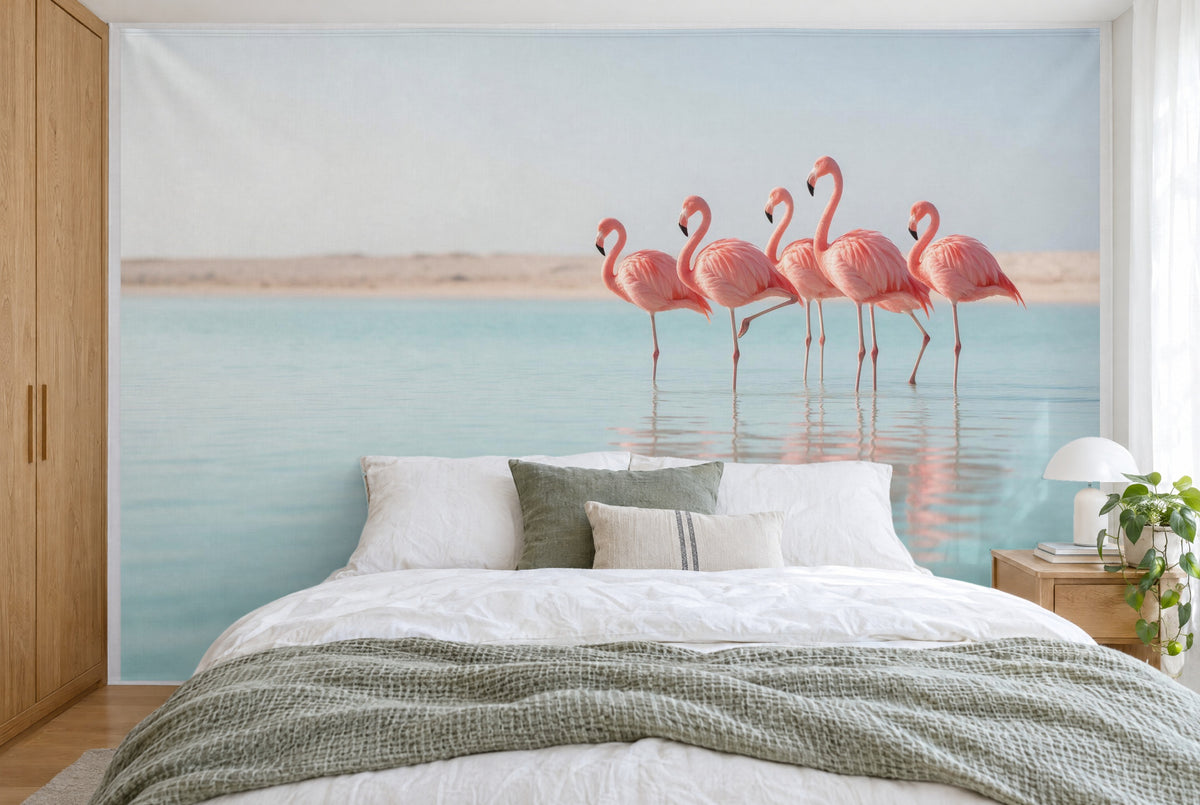
More ideas: a beach with umbrellas from above looks graphic and modern, flamingos in the lagoon bring colour and lightness.

Plan size and space
First measure the free area. For the ready-made designs you choose between 150 × 100 cm and 300 × 200 cm: on a small balcony 150 × 100 cm is often enough, for a house wall at the garden seating area 240 × 160 cm or 300 × 200 cm works well. In the designer you set the size freely. Leave some space around the edges so the picture does not look squeezed in, and check what stands in front of it: tall plants or a lounge corner can cover part of the picture. A design with a high horizon, meaning lots of sky at the top, stays clearly visible anyway.
Hanging outside: with eyelets and without drilling
Outside we recommend the “With eyelets” option. Metal eyelets at the corners can be attached with hooks, cable ties or ropes to a railing, a pergola or a privacy screen. You can quickly take the tapestry down when needed, for example before a storm. Stretch it evenly so it hangs smoothly and does not flap in the wind.
Double-sided tape, hook-and-loop tape and hot glue are mainly suitable indoors. Outside, heat, wetness and wind are hard on any adhesive, so we have not listed them here as the first choice. If you still try it on a smooth, dry and sheltered surface, check the attachment regularly. If you rent, it is best to clarify beforehand what is allowed on the facade or railing.
Care: rain, wind and winter
- After rain: Let the tapestry dry completely. If it gets wet, it is best to hang it on a sheltered surface or take it down. Moisture that stays in the fabric for a long time is not good for it.
- In storms and continuous rain: Take the tapestry down.
- In winter: Bring it inside and store it dry.
- Washing: Gentle cycle at a maximum of 30 °C, without fabric softener or bleach. Then let it dry hanging, not in the tumble dryer.
Your own beach photo or premium image
Do you have a favourite photo from your last holiday? In the tapestry designer you upload it and choose size and fabric. Upload the image in the highest resolution possible so it stays sharp in XXL format. If you do not have a suitable photo, you will find over 140 million premium images in the designer. A premium image costs about €0.99.
That way your balcony or garden seating area becomes your favourite summer spot with little effort, ideally in a sheltered place.











Share: